Are they getting better?There’s a question I come back to every season, across every team I work with:
Are the players in my care actually getting better?
Not a little. Not theoretically. Meaningfully better.
I don’t ask that lightly. Whether I’m working with high school athletes or youth players in basketball or lacrosse, on the boys or girls side, it’s the question that matters most.
And it’s not a judgment. It’s a call to action.
If the answer is yes, great. Keep going.
If the answer is unclear, dig deeper.
If the answer is no, then it’s on me.
Too often, we default to activity over development. We run practices. We coach games. We fill time. But improvement requires something more intentional.
It requires:
• Knowing your players individually
• Being clear on what each athlete needs next
• Delivering feedback that is specific and actionable
• Designing environments with high reps, real competition, and focus
Players can get better in a lot of ways. As competitors. In their conditioning. With their skills. Defensively. On ground balls. But improvement doesn’t just happen because we show up. It happens because we design for it.
Games are the test. Practices are the preparation. If growth isn’t showing up when it matters, we have to adjust.
More reps.
More clarity.
More urgency.
More care.
Coaching is hard. And it lives in the details. In the conversations. In the expectations we set and the standards we hold.
If you coach in any capacity, try this:
Ask yourself—honestly—
Are my players getting better?
How do I know?
And then go do something about it.
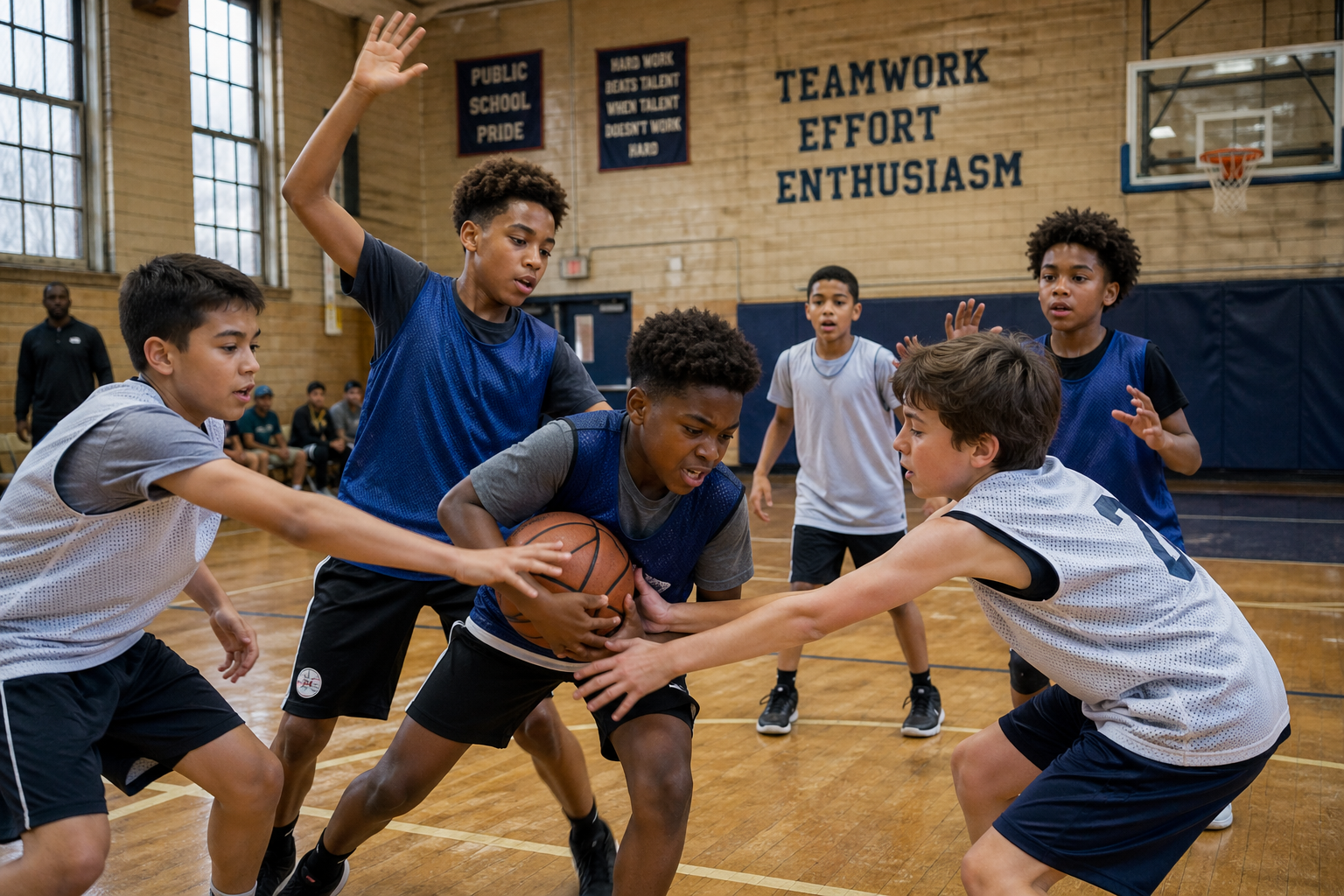
All kids want challenge Kids want to be taken seriously.
They don’t just want fun. They want meaningful. They want to feel like what they’re doing matters.
The best environments balance both. Fun and serious. Energy and structure. Freedom and expectation.
Most kids want to lean into the work. They want to be challenged, to improve, to see progress. When the environment is right, they rise to it.
That doesn’t mean throwing them into something overwhelming. It means scaffolding the challenge. Meeting them where they are, then steadily raising the bar.
They don’t want easy. They want earned.
There’s a difference between hard and harsh. Hard builds confidence. Harsh shuts players down.
Create conditions that are demanding but supportive. Competitive but connected.
When you do, kids respond.
They focus more.
They compete more.
They take pride in the work.
Because deep down, they don’t just want to play.
They want to grow.
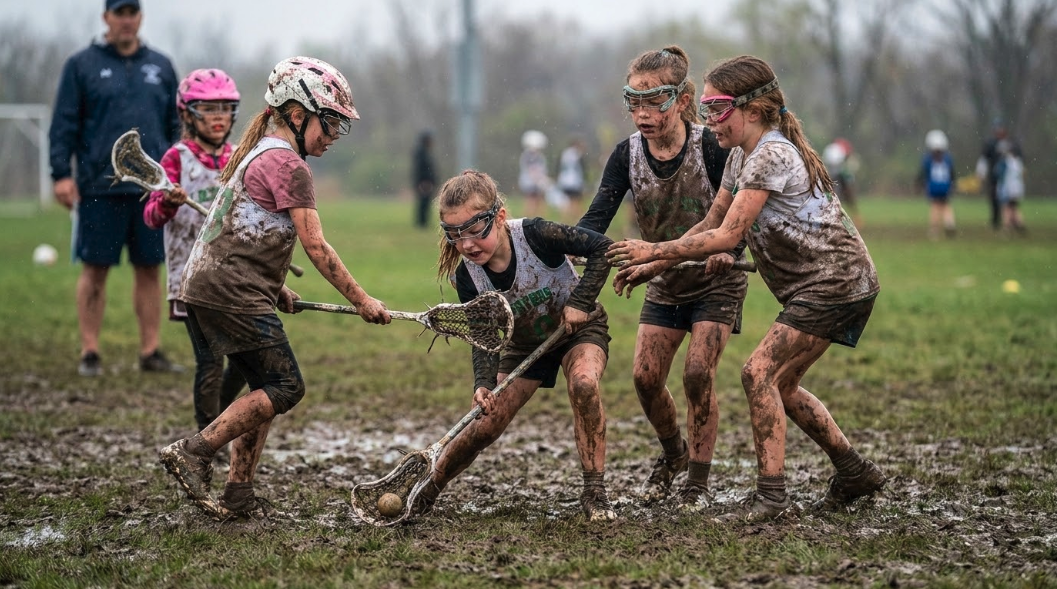
Can I play??? How you respond to ‘Can I play X?’ in a game is everything.
That question shouldn’t be part of game day. By the time the game starts, roles and rotations should already be clear.
When it does come up, your response reveals everything. Do you have a plan, or are you reacting? Players read that instantly.
It’s a behavioral moment. The question itself signals where your program is. It reflects clarity, communication, and trust.
Timing matters too. Asked after a game, it’s a conversation. Before practice, it’s part of development. In the middle of a timeout, it disrupts focus and exposes a lack of structure.
Strong environments remove uncertainty before the whistle. Players know when they’re going in, where they fit, and what’s expected.
That clarity builds confidence. It protects the team.
If game day is when roles are being negotiated, the work was missed earlier.
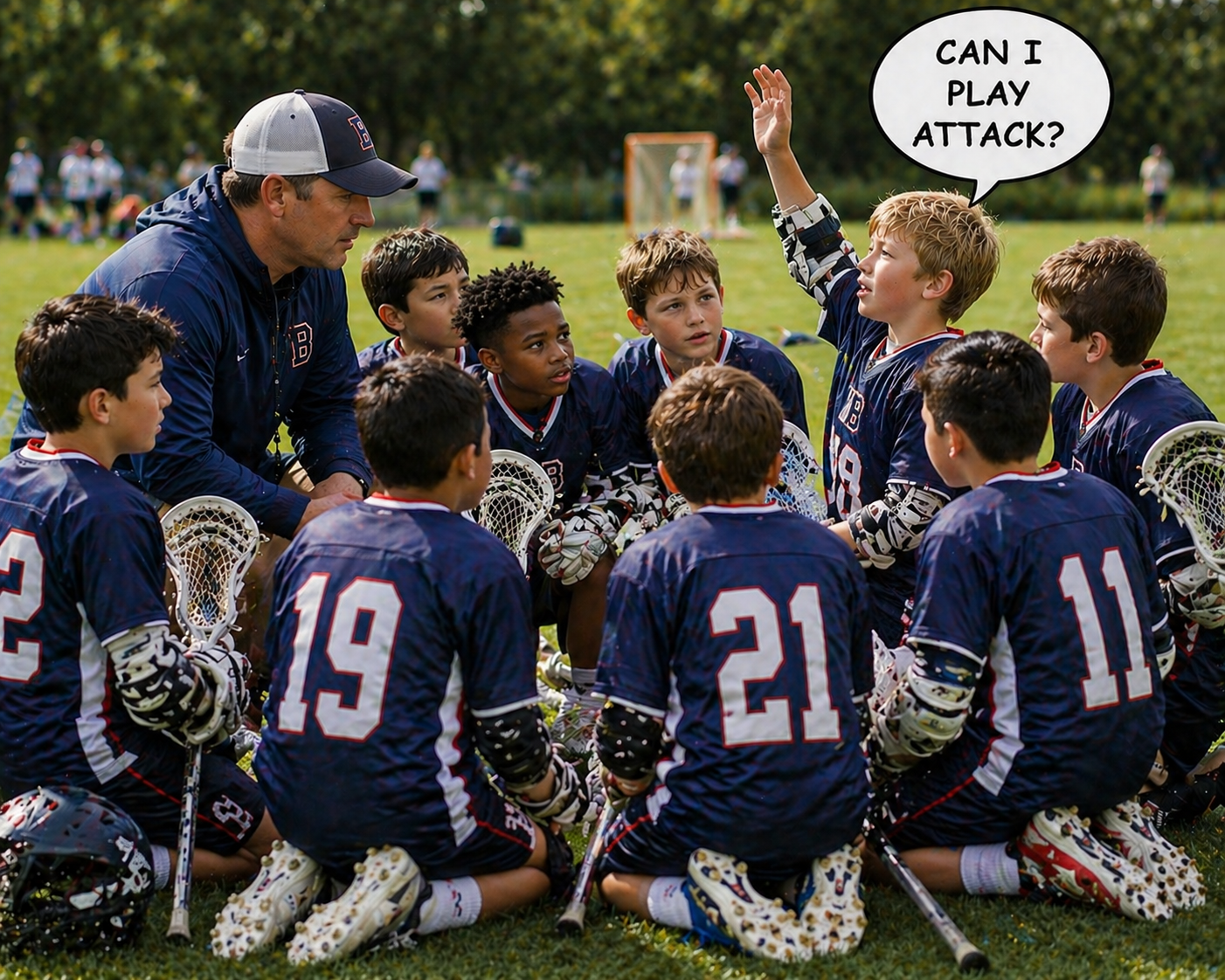
What are we teaching? There is a lot of noise in youth sports. Schedules, standings, playing time, outcomes. Some of it matters. Most of it doesn’t. What matters is this: what are we teaching?
Long after the scores are forgotten, players carry with them who they became. At its best, sport teaches one thing above all else: how to work.
To stay with something difficult.
To respond to failure.
To bring energy, focus, and effort every day.
That doesn’t happen by accident. Coaching is not just about running practices or managing games. It is about building environments where effort is the standard. Every rep, every correction, every expectation signals what matters.
Rigor and joy belong together. The work should be demanding and meaningful. So measure what matters.
Are players improving?
Are they engaged?
Are they working?
If they are, the environment is doing its job.
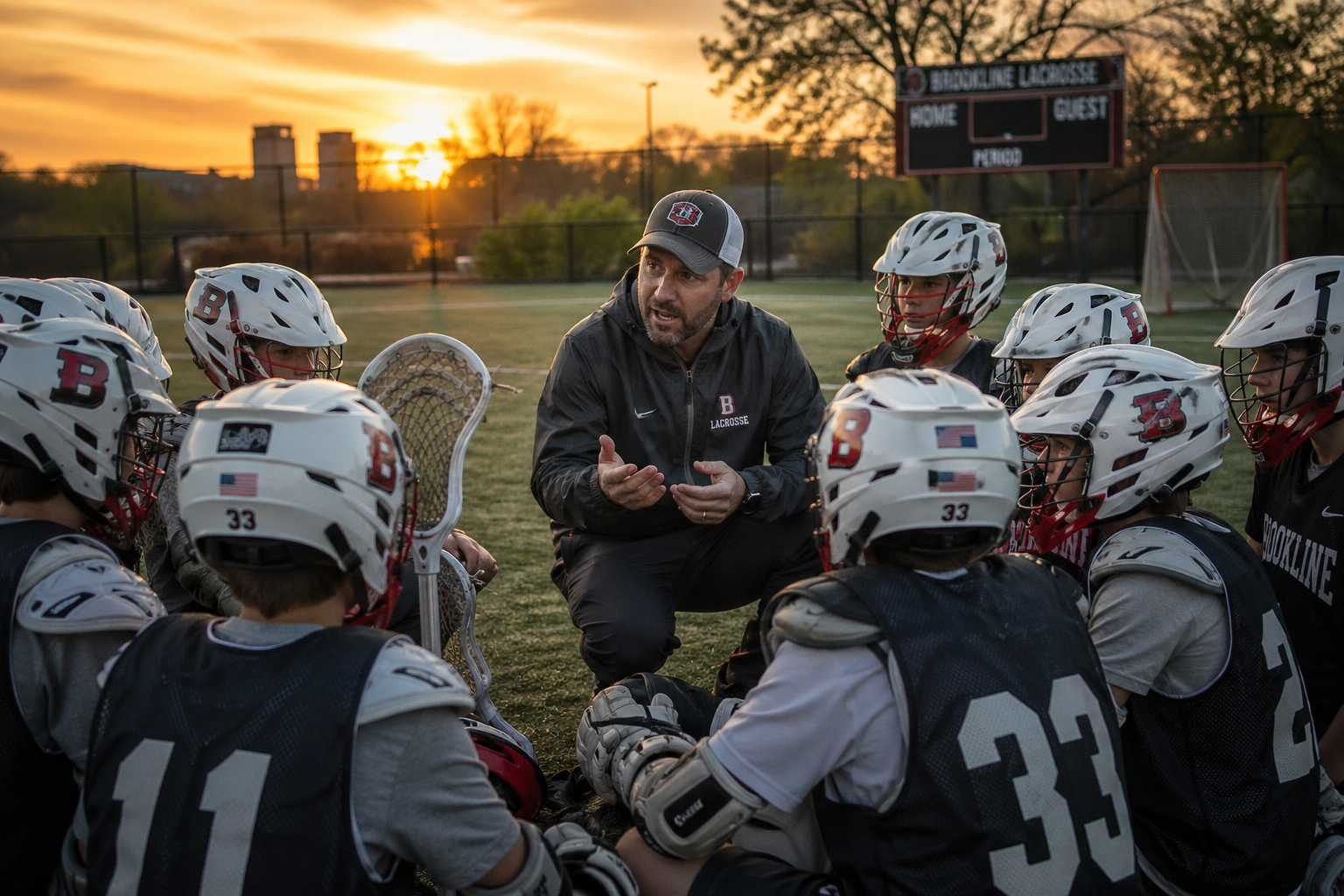
Game day plansCoaching games effectively matters.
It shows up before the first whistle.
You can tell a lot about a team in the first five minutes of arrival. Are players locked in or drifting? Are they moving with purpose or waiting? Is there structure, or is it casual?
That’s not on the players. That’s on the environment.
Pre-game focus matters. Having a plan matters. Getting serious about how you will use your players matters.
In a rec environment, this is even more important.
An intentional approach to rotations is a must. It is necessary to create a positive environment.
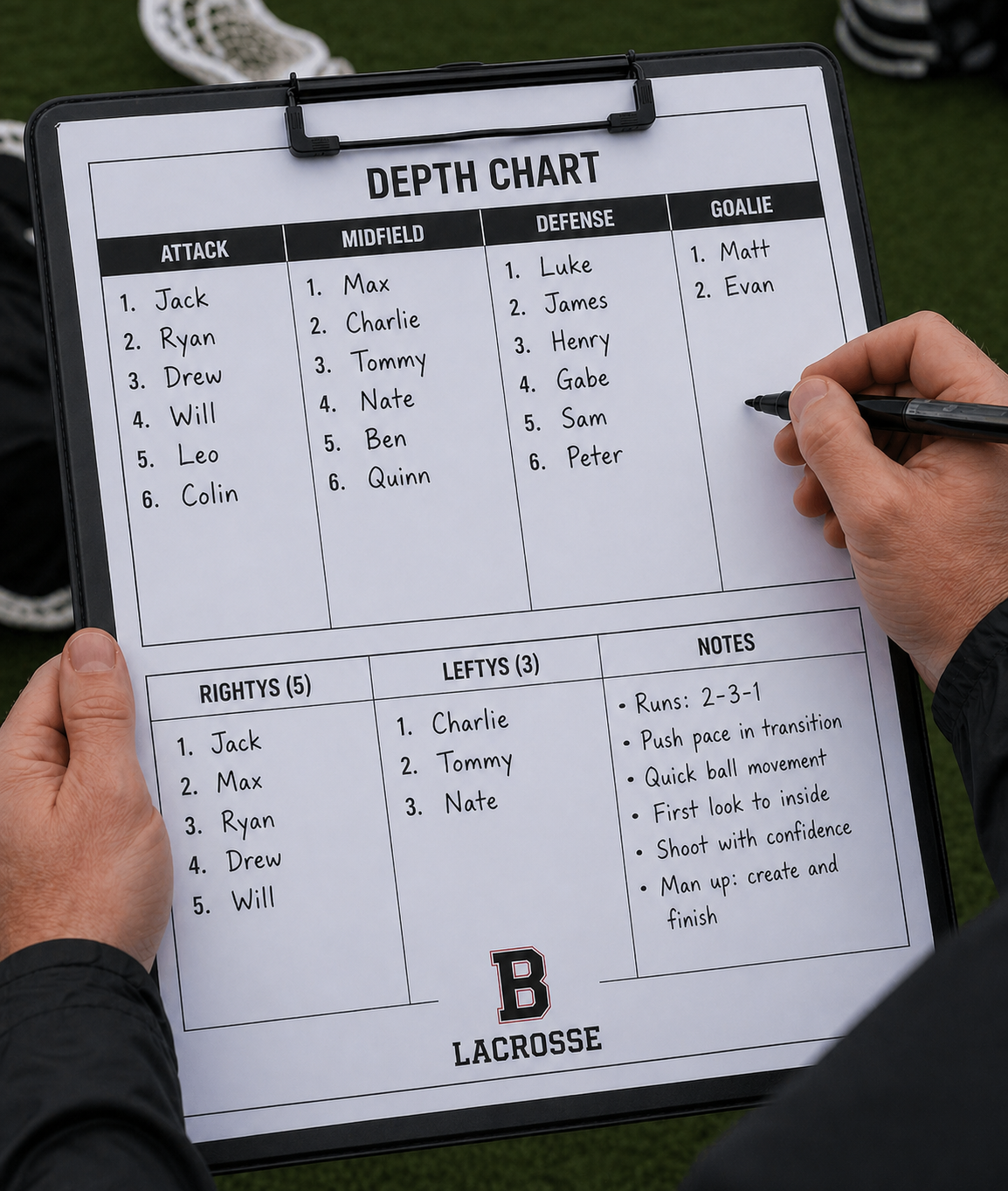
Depth charts matter. Not to rank players rigidly, but to ensure rotations are organized and purposeful. Players should know when they are going in, who they are playing with, and what is expected of them.
That clarity builds confidence. It increases engagement. It raises the level of play.
Pairing stronger and developing players thoughtfully matters. It creates better situations, better decisions, and more meaningful reps for everyone.
Without structure, games drift. With structure, they teach.
You don’t control the outcome. But you do control the environment.
And the environment shapes everything.